Custom Printing & Embroidery Techniques
20 ways to put your artwork on a garment, from screen printing and DTF to puff print and appliqué. From 30 pieces.
Topology Apparel offers 20 types of shirt printing and embroidery on our blank garments: 8 screen printing techniques, 10 heat transfer finishes including DTF, and 2 embroidery methods. Custom orders start at 30 pieces per style and colour. Screens are made and garments are decorated by our production partner in China, then shipped to your address in the United States or Canada. Email your artwork to info.topologyclothing@gmail.com for a quote.
All 20 techniques at a glance
| Technique | Family | Look and feel | Best for |
|---|---|---|---|
| Screen printing | Screen | Solid, opaque colour that sits on the fabric | Logos and graphics in 1–4 colours |
| Halftone screen printing | Screen | Shading built from tiny dots | Portraits and photos in one or two colours |
| Discharge printing | Screen | Dye removed from the fabric, no raised layer | Soft vintage prints on dark 100% cotton |
| Puff print | Screen | Ink rises into a soft raised surface | Bold lettering on hoodies and sweatshirts |
| High-density print | Screen | Thick, sharp-edged raised layer | Small logos that need a 3D edge |
| Silicone print | Screen | Smooth, rubbery, slightly glossy | Sportswear and stretch fabrics |
| Neon ink | Screen | Fluorescent colour | Event, safety and club wear |
| Metallic gold ink | Screen | Gold shimmer printed in the ink | Accents and festive designs |
| DTF transfer | Transfer | Full colour, fine detail, thin smooth film | Photos, gradients and many-colour artwork |
| Glitter heat transfer | Transfer | Sparkling particles in a cut film | Lettering, dance and cheer wear |
| Flock heat transfer | Transfer | Velvet-like raised surface | Retro lettering and college styles |
| 3D puff transfer | Transfer | Thick foam-like raised shapes | Statement logos |
| Glow-in-the-dark transfer | Transfer | Glows after exposure to light | Night events, kids' wear |
| Gloss heat transfer | Transfer | High-shine surface, often tone-on-tone | Subtle black-on-black branding |
| Holographic transfer | Transfer | Rainbow shift as the light moves | Fashion and stage wear |
| Reflective heat transfer | Transfer | Reflects light back at night | Running, cycling and workwear |
| Gold foil print | Transfer | Mirror-like metallic surface | Premium logos |
| Iridescent reflective transfer | Transfer | Grey by day, rainbow under direct light | Streetwear details |
| Embroidery | Thread | Stitched, textured, long-lasting | Polos, caps, jackets, left-chest logos |
| Appliqué embroidery | Thread | Fabric shapes stitched onto the garment | Varsity letters and large numbers |
How to choose a technique
Three questions settle most orders.
How many colours are in your artwork? Screen printing needs one screen for each ink colour, and each screen has a setup cost. It is the best value for designs with 1–4 solid colours. For photos, gradients or artwork with many colours, DTF transfer prints everything in one pass with no screens.
What garment are you decorating? Heavy cotton hoodies and tees take screen printing, puff and discharge well. Polos, caps and jackets usually look best with embroidery. Stretch and quick-dry fabrics suit silicone print or transfers.
What finish do you want? Flat and classic: screen printing. Raised: puff, high-density or 3D puff. Shiny: foil, gloss or metallic ink. Textured: embroidery, appliqué or flock.
Screen printing vs DTF
Screen printing gives the most durable solid colours and the lowest cost per piece on larger runs with few colours. DTF handles unlimited colours and fine detail with no screen setup, and has a thin film feel on the fabric.
Screen printing vs embroidery
Screen printing suits large graphics on tees and hoodies. Embroidery suits small logos on polos, caps and outerwear, and reads as more premium.
Not sure? Email us your artwork and the garment you have in mind.
Screen printing techniques
Ink is pushed through a mesh screen onto the garment. Each ink colour needs its own screen, which is why custom runs start at 30 pieces per style and colour.
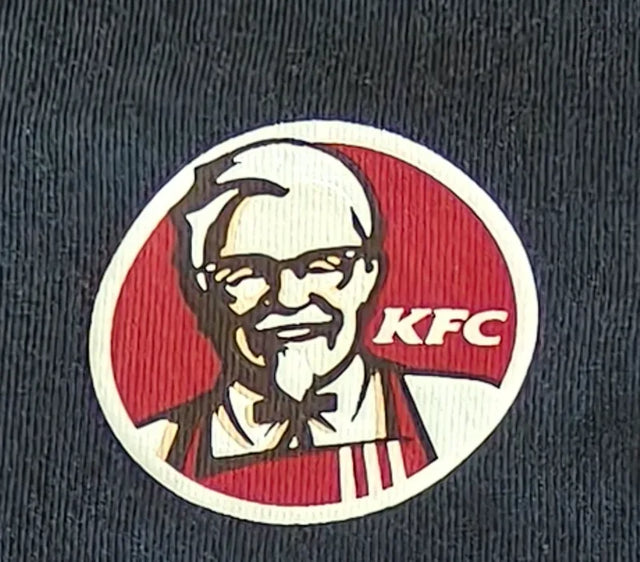
Custom screen printing
Our most requested technique. Opaque ink sits on the surface of the fabric and gives clean edges and solid colour, including white on dark garments. Works on cotton, cotton blends and fleece.
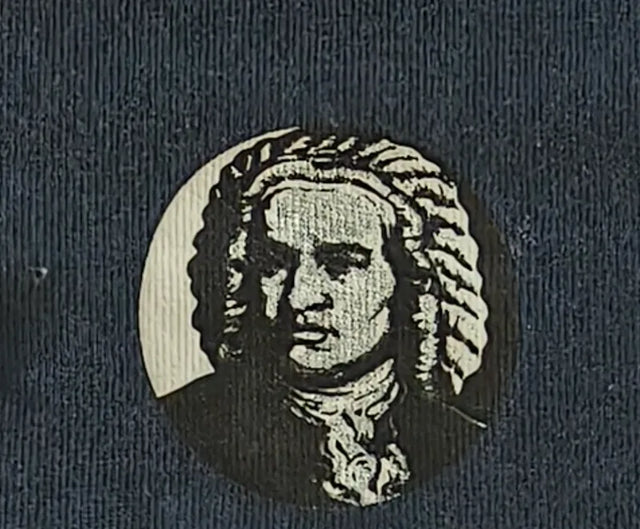
Halftone screen printing
The image is broken into small dots of different sizes, so a single ink colour can show shading. Used for portraits, photographs and vintage poster effects.
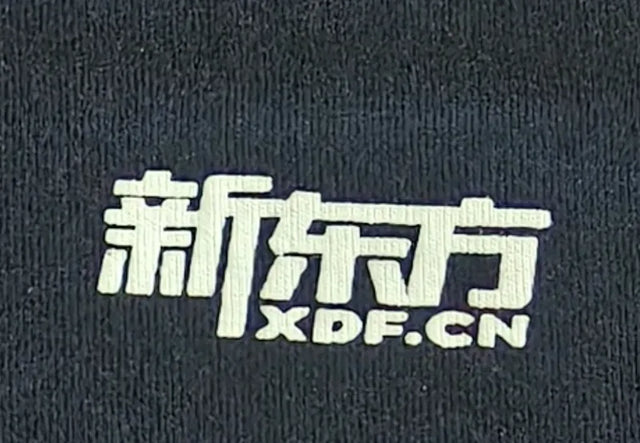
Discharge printing
Instead of adding a layer of ink, discharge removes the dye from the fabric and leaves the design in the garment itself. The print has almost no feel. It works on dark 100% cotton and is not suitable for polyester.
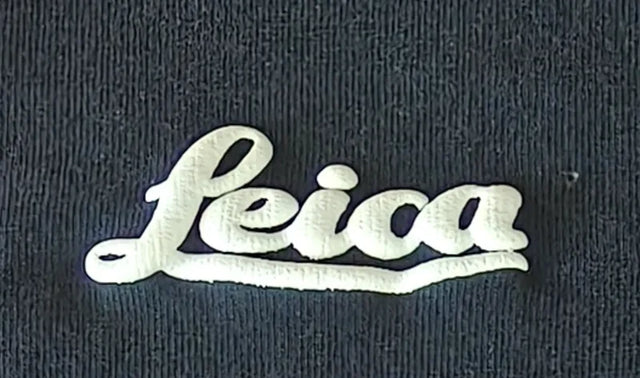
Puff print
A foaming agent in the ink expands under heat, so the design rises from the fabric with a soft, rounded surface. Popular for large lettering on hoodies.
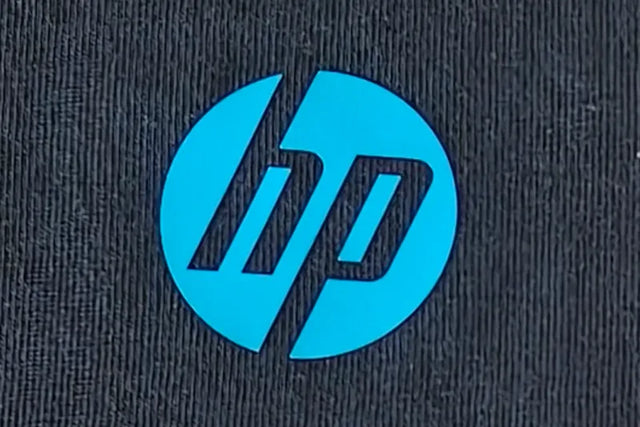
High-density print
Several layers of ink build a thick print with crisp vertical edges. Sharper and firmer than puff.
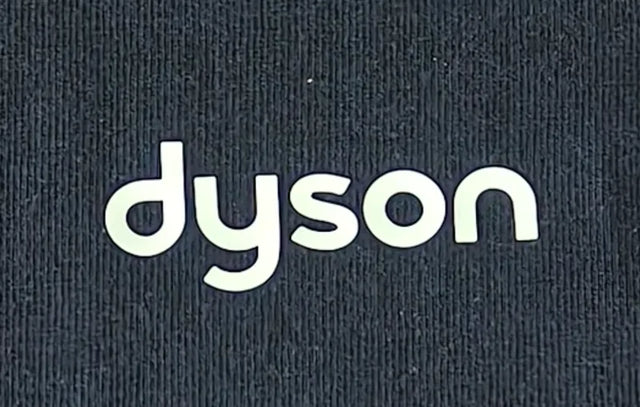
Silicone print
Silicone ink gives a smooth, flexible, slightly glossy print that stretches with the fabric. Common on sportswear.
Neon ink
Fluorescent pink, yellow, orange and green that stand out in daylight.
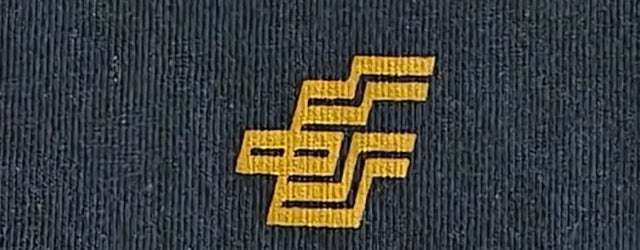
Metallic gold ink
Gold pigment mixed into the ink for a shimmer finish that is printed like any other colour.
Heat transfer techniques
The design is produced on a film first, then pressed onto the garment with heat. No screens are needed.
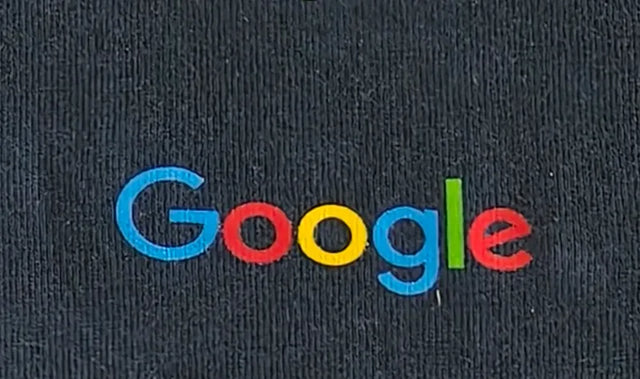
DTF transfer
Direct-to-film. Your artwork is printed in full colour on film with a white ink base, then heat-pressed onto the garment. It reproduces photos, gradients and fine lines, on cotton, polyester and blends, light or dark.
Glitter heat transfer
Your design is cut from a glitter film and heat-pressed onto the garment. Best for lettering and simple shapes rather than fine detail.
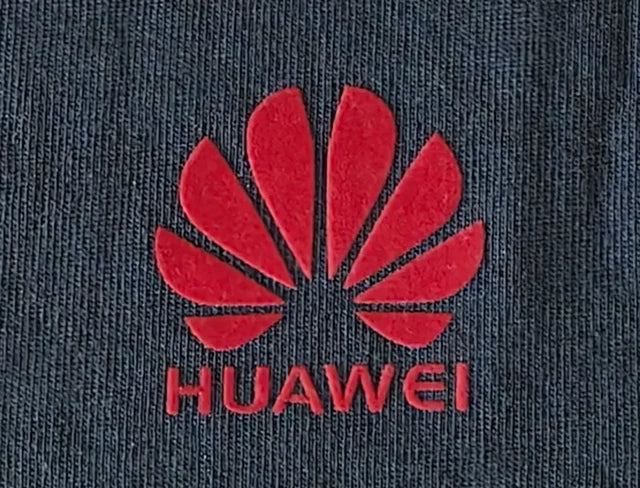
Flock heat transfer
Your design is cut from a flock film with a soft velvet surface and heat-pressed onto the garment. Best for lettering and simple shapes.
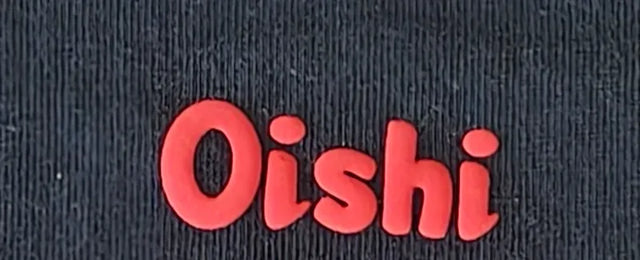
3D puff transfer
A thick, foam-like raised finish with more height than puff print.
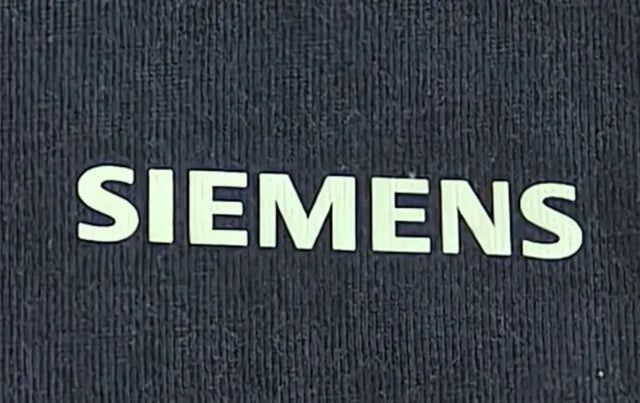
Glow-in-the-dark transfer
Charges in light and glows green in the dark.
Gloss heat transfer
A high-shine film. Black gloss on a black garment gives a subtle tone-on-tone logo.
Holographic transfer
A film that shifts through rainbow colours as it moves in the light.
Reflective heat transfer
Looks silver-grey in daylight and reflects brightly under headlights or a camera flash.
Gold foil print
A mirror-like metallic film in gold, bonded to the design area.
Iridescent reflective transfer
Muted grey in normal light, rainbow-coloured when light hits it directly.
Embroidery
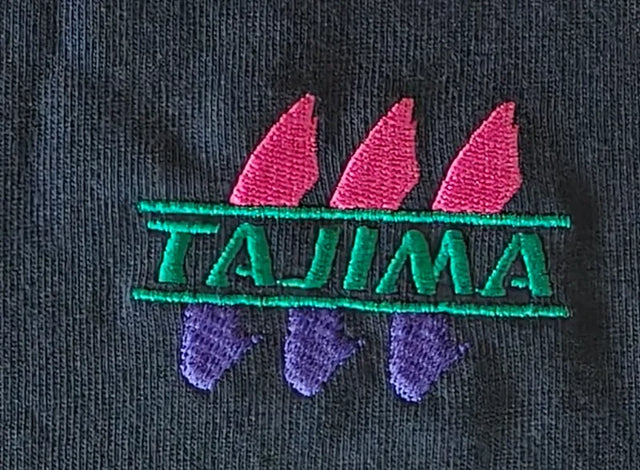
Embroidery
Your logo is digitised into a stitch file and sewn directly into the garment. The classic choice for polos, caps, jackets and left-chest logos.
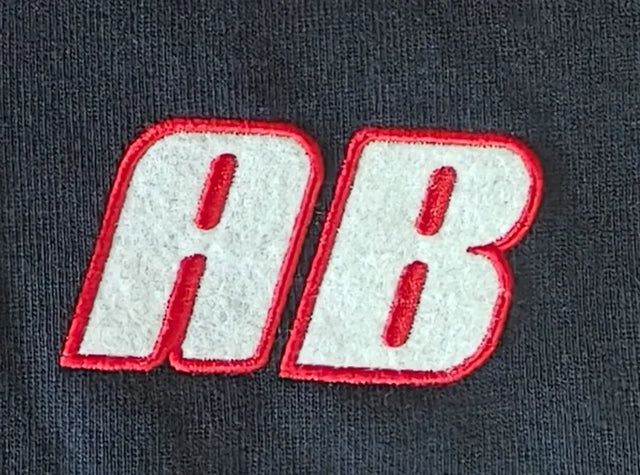
Appliqué embroidery
Shapes are cut from fabric, placed on the garment and stitched around the edges. Used for varsity letters, numbers and large designs where solid stitching would be too heavy. Also known as tackle twill when used for team lettering.
How to send us your artwork
Email info.topologyclothing@gmail.com with the following. The more of it you include, the faster we can quote.
- Your artwork file. A PDF or other vector file is best.
- Print location. Tell us exactly where the design goes on the garment, for example left chest, full back or right sleeve.
- Number of ink colours, with Pantone references if you have them.
- The garment. Style code and colour from our blank apparel range, for example NY1027 in black.
- Quantity per size. 30 pieces or more per style and colour.
What happens next
- We reply by email with a quote. Shipping and customs are confirmed in your quote.
- Once you confirm, production takes about 2 weeks.
- Your order ships to your address: 2–3 weeks by air, or about 45 days by sea freight.
Under 30 pieces, our Vancouver studio offers a sampling service. We do not supply fabric: you send us your materials and we make the samples.
How to contact us
Email is the fastest way to reach us: info.topologyclothing@gmail.com. Attach your artwork to the first message. We handle every custom order by email so that sizes, placement and pricing are confirmed in writing.
FAQ
What is the minimum order for custom printing?
30 pieces per style and colour. Under 30 pieces, our Vancouver studio offers a sampling service. We do not supply fabric: you send us your materials and we make the samples.
Why is there a minimum for screen printing?
Each ink colour needs its own screen, and making screens has a fixed setup cost. Below 30 pieces that cost per garment becomes too high to be good value.
How do I send my design?
Email it to info.topologyclothing@gmail.com as a PDF or other vector file, with the exact print location, number of ink colours, garment style code, colour and quantity per size.
Which is better, screen printing or DTF?
For 1–4 solid colours on a larger run, screen printing is more durable and costs less per piece. For photos, gradients or many colours, DTF is the better fit because it needs no screens.
Should I choose screen printing or embroidery?
Screen printing for large graphics on tees and hoodies. Embroidery for small logos on polos, caps and jackets.
Where is the printing done?
Screens are made and garments are printed or embroidered by our production partner in China, then shipped to your address in the United States or Canada.
How long does a custom order take?
About 2 weeks of production, then 2–3 weeks by air or about 45 days by sea freight.
Can I return a custom printed order?
Custom printed and embroidered orders are made to your specification and cannot be returned. See our Refund Policy.